
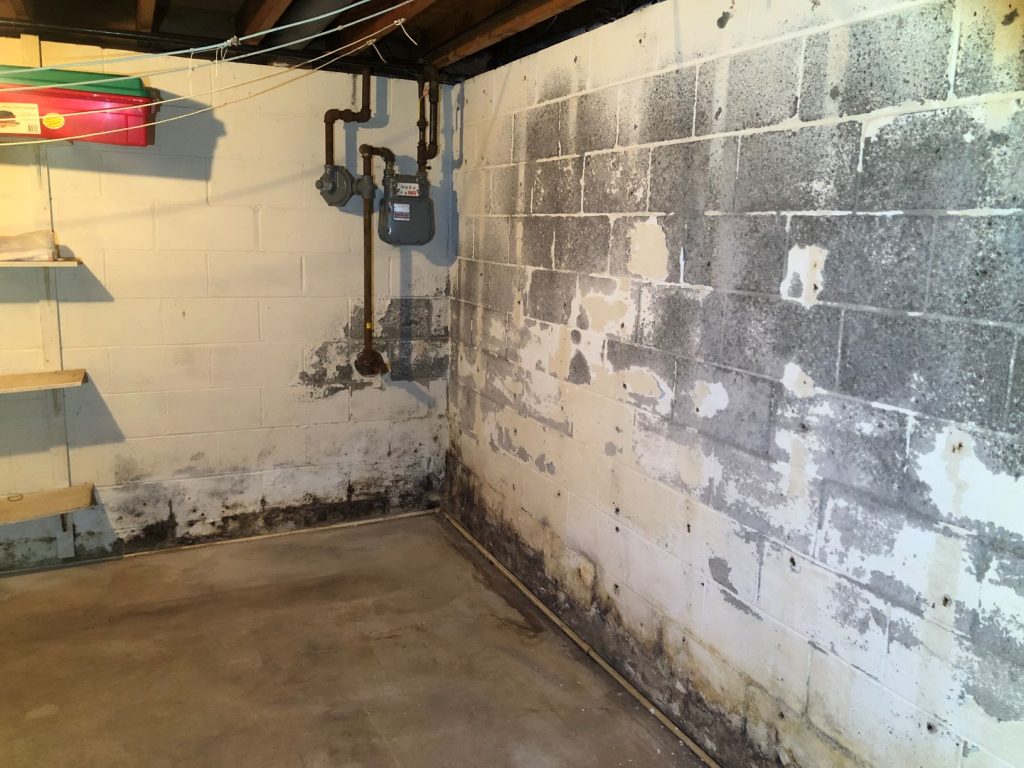
You’ve probably encountered water damage in your basement at some point, haven’t you? This common household issue can be a nuisance, but it often signifies more than just a minor inconvenience. It’s typically caused by a myriad of factors such as poorly sealed windows, incorrect property grading, faulty plumbing, or even an overworked sump pump. But, did you know that even the smallest crack in your basement wall could invite a catastrophe? It’s crucial to understand these causes to prevent future damage. So, wouldn’t you like to know how to avoid such costly repairs?
Key Takeaways
- Poorly sealed basement windows allow moisture to infiltrate, leading to water damage.
- Incorrect property grading can cause water to pool around the foundation, seeping into the basement.
- Faulty plumbing systems, including corroded or burst pipes, often result in basement water damage.
- Cracks in basement walls are a significant source of water intrusion and subsequent damage.
- Overworked sump pumps may fail to manage water effectively, causing basement flooding and damage.
Poorly Sealed Basement Windows
You mightn’t realize it, but poorly sealed basement windows can be a major cause of water damage. When you don’t check the sealing on your windows, you’re opening up your basement to excessive moisture, which doesn’t take long to wreak havoc on your home.
Now, you might be thinking, “But I’ve got window insulation!” That’s great, but if it’s improperly installed or deteriorating, it’s not doing you much good.
Your insulation should be creating a tight seal, keeping out cold air and moisture. If it’s not, that moisture slips right in, leading to dampness, mold, and water damage.
Incorrect Property Grading
Shifting our focus from basement windows, let’s consider another significant cause of water damage – incorrect property grading. You mightn’t realize it but the way your property slopes can seriously affect your basement’s vulnerability to water damage.
Incorrect property grading means the ground around your home doesn’t slope away from the foundation. Instead, it slopes towards it. This mistake can force water to pool around your basement, leading to potential damage. The solution? Proper drainage solutions and a careful look at your soil composition.
The type of soil surrounding your home plays an important role in how water drains. Clay-heavy soil, for instance, doesn’t allow water to drain away as quickly as sandy soil. It’s vital to know your soil type and work with it, not against it.
If you’re encountering issues with incorrect property grading, consider hiring professionals who can reinstall the grade correctly. They’ll make sure the ground slopes away from your home, reducing the risk of water pooling.
They can also assess your soil composition and suggest appropriate drainage solutions. Remember, correct property grading is a preventative step in avoiding basement water damage. Don’t overlook its significance.
Faulty Plumbing Systems
You’re probably aware that faulty plumbing systems can cause significant water damage to your basement.
But do you know the specific causes of these plumbing failures?
Let’s also share some effective preventive maintenance tips to keep your basement dry and damage-free.
Causes of Plumbing Failures
Plumbing failures, particularly faulty systems, rank high among the causes of water damage in basements. It’s not uncommon for basements to end up flooded due to these issues. One of the main culprits? Pipe corrosion.
Pipe corrosion is a sneaky problem that can slowly lead to significant damage. It’s a natural process that happens over time, as your plumbing system is continuously exposed to water, air, and other elements. If you’ve got older pipes, they’re more susceptible.
When corrosion sets in, it weakens the pipes, making them more likely to leak or even burst.
Speaking of burst pipes, they’re another major cause of plumbing failures. Imagine your basement as a battlefield, and burst pipes as the enemy artillery. The pressure within pipes can build up due to a number of reasons – freezing temperatures, blockages, or even simple wear and tear.
When that pressure gets too high, the pipes can’t handle it and they burst, releasing a flood of water into your basement.
Preventive Maintenance Tips
To keep your home’s plumbing systems in tip-top shape and ward off potential water damage in your basement, regular maintenance is your best weapon. You don’t want surprises, such as a flooded basement due to faulty plumbing.
So, how do you guarantee everything runs smoothly?
Here are some preventive steps to take into account:
- Regularly inspect your plumbing systems: Look for signs of wear and tear that could lead to leaks. Don’t forget to check your pipes, especially those in the basement.
- Install moisture barriers: These help to prevent water seepage into your basement. They’re a worthy investment to protect your home from potential water damage.
- Think about drainage solutions: These can help divert water away from your house, reducing the risk of basement flooding.
- Schedule routine professional checks: Sometimes, you can’t spot everything. That’s why it’s crucial to have a professional plumber inspect your system periodically.
Cracked Basement Walls
Now, let’s turn our attention to cracked basement walls.
You might be overlooking these fractures, but they can be a major source of water damage.
We’ll guide you through identifying wall cracks and share steps on how to repair them effectively.
Identifying Wall Cracks
You mightn’t realize it, but wall cracks can be a significant cause of water damage in your basement.
These cracks can manifest due to various reasons, such as foundation settlement or moisture intrusion. It’s crucial to identify these cracks early to prevent extensive damage.
Identifying wall cracks involves keen observation and understanding. Here are some tips to help you:
- Look for horizontal or vertical lines along your walls. These are often signs of foundation settlement, which can lead to wall cracks.
- Pay attention to the smell. Sometimes, moisture intrusion leaves a musty scent that can hint at hidden wall cracks.
- Check for damp spots or discoloration. This could indicate water seeping through the cracks in your walls.
- Look for efflorescence. It’s a white, powdery substance that forms on the wall due to water evaporation, hinting at possible wall cracks.
Repairing Basement Cracks
Having identified potential wall cracks, it’s time to tackle their repair. Don’t underestimate the importance of this task. Any delay can lead to serious foundation damage, escalating repair costs and more importantly, compromising the safety of your home.
Start with a thorough inspection of the crack. Size and location are key factors that determine the repair strategy. Minor cracks can often be fixed with waterproofing techniques. An application of waterproof masonry cement or a waterproofing paint can do wonders.
But remember, this is only a temporary solution and not a cure.
For more serious cracks, you’ll need professional foundation repair. This is especially true when the cracks are horizontal or larger than one-eighth of an inch. In these cases, a professional can use methods like epoxy injections or even structural repairs.
They’ll also advise about potential underlying issues like poor soil conditions or water drainage problems.
Overworked Sump Pumps
Although your basement may seem dry and safe, an overworked sump pump could be lurking in the shadows, ready to cause significant water damage.
This essential machine works tirelessly to keep your basement dry, but like all mechanical equipment, it isn’t invincible. Over time, a neglected pump can become overworked and eventually fail, leading to unexpected water damage.
It’s important to note that sump pump maintenance is key to prevent this from happening. Regular check-ups can help you spot signs of wear and tear, and address them before they escalate.
Here are some tell-tale signs to look out for:
- Noisy operation: If your sump pump is making strange noises, it’s likely overworking.
- Frequent cycling: If it’s turning on and off more than usual, there may be a problem.
- Old age: Most sump pumps last about 10 years. If yours is older, consider a sump pump replacement.
- Visible rust: Rust could indicate a problem with the pump’s components.
Water Heater Leaks
Every home has one, but few give it much thought until a problem arises – the water heater. Tucked away in your basement, it’s easy to forget about its existence until you’re suddenly dealing with a basement flood. Water heater leaks are a common cause of such damage.
You might wonder, how does this happen? It’s simple. Over time, your water heater can corrode or wear out, leading to leaks. This is where water heater maintenance comes in. Regular inspections and timely replacements of worn-out parts can prevent unexpected leaks.
You should keep an eye out for signs of rust, moisture around the heater, or a drop in water temperature.
But what if a leak has already sprung? That’s where leak detection comes in. You need to find the source quickly to prevent further damage. Common places to check are the drain valve and the bottom of the heater.
If you find a leak, turn off the water and power supply to the heater immediately. Then, call a professional to fix the problem.
Frequently Asked Questions
What Are the Signs of Mold Caused by Water Damage in the Basement?
You’re likely dealing with mold from water damage if you notice a musty smell or discolored patches on walls, floors, or ceilings in your basement.
Mold identification isn’t always obvious. It thrives in a damp environment, so if your basement feels humid or you’ve had leaks, that’s a prime condition for mold.
Don’t ignore these signs; mold can lead to serious health problems. Make certain your space is properly ventilated and dry.
Can Basement Water Damage Affect the Structural Integrity of the House?
Absolutely, basement water damage can affect your home’s structural integrity.
Persistent moisture retention can lead to foundation weakening. The constant dampness erodes the concrete, making the structure vulnerable.
Eventually, this can cause cracks to form and even lead to collapse. Consequently, it’s essential to deal with water damage in your basement promptly to prevent serious structural issues.
Don’t underestimate the impact of basement water damage; it can indeed compromise your home’s stability.
How Often Should I Check My Basement for Potential Water Damage?
You should conduct basement inspections regularly, ideally once a month.
It’s especially vital during rainy seasons when the risk of water damage increases.
Consistent check-ups help in early detection and water prevention measures.
Don’t overlook any signs, such as dampness or mold, as they’re indicative of potential problems.
What Are the Health Risks Associated With Basement Water Damage?
Basement water damage can pose serious health risks for you.
Exposure to damp and moldy environments may cause nasal stuffiness, throat irritation, coughing or wheezing, eye irritation, or skin irritation. People with mold allergies may have severe reactions.
If you’ve immune suppression or chronic lung diseases, you could develop serious lung infections.
Does Homeowners Insurance Typically Cover Basement Water Damage?
You’re probably wondering if homeowners insurance covers basement water damage.
It’s not always a straightforward yes or no. Insurance policies differ greatly. Some offer coverage for sudden or accidental damage, like a burst pipe, but not for maintenance-related issues.
Plus, coverage limits apply. So, it’s essential to check your policy’s specifics. If you’re unsure, don’t hesitate to reach out to your insurance company for clarification.
Conclusion
So, you’ve seen how easily basement water damage can occur. From poorly sealed windows to incorrect property grading, faulty plumbing, cracked walls, and overworked sump pumps, there’s a lot that can go wrong. Don’t forget about potential water heater leaks too. But don’t worry, regular maintenance and inspections can help you manage these risks and keep your basement dry. Stay vigilant and proactive, and you’ll avoid the headache of water damage.

Rob VanSuilichem
Serving Michigan homeowners for over 32 years, Everdry is one of the Nation’s largest and most experienced waterproofer.
Locally owned, operated and staffed, Everdry professionals take a personal one-on-one approach in educating homeowners so they truly understand all their options for creating a safe, dry, healthy and usable space in their basements.
What Sets Us Apart
- Unbeatable quality due to the experience of the owners and staff.
- Unbeatable value due to the efficiency and expertise of more than 32 years of experience.
- Unbeatable value due to the purchasing power of being one of the largest waterproofers in the nation.
- Unbeatable service due to the fact that EverDry is a locally owned and operated company.
Credentials Include:
- Members of the Home Builders Association
- H.U.D. evaluated
- I.C.C. evaluated (Report #94-07)
- Better Business Bureau Accredited with the Eastern and Western Michigan BBB
- Fully Licensed and Insured
The aforementioned memberships are important because we benefit from the constant exchange of information and knowledge. We are updated on everything from installation techniques, to customer service improvements. You benefit in the knowledge that these third party inspection agencies require us to meet stringent requirements to remain members in good standing.
Better Business Bureau
We have been nominated and won the prestigious Better Business Bureau’s Torch Award for Ethics many times, Chosen as a W.Mich.BBB Torch finalist in 2014 & 2015, Won the Torch Award for Ethics in 2016, Won the Eastern Michigan BBB Torch Award in 2019 and was also chosen as a Western Michigan BBB Torch finalist in 2019. Won the Eastern Michigan BBB Torch Award in 2023 and Finalist for the Western Michigan BBB Torch Award in 2020 & 2021!
Mission Statement
To create raving fans of our customers and employees through frequent contact, constant training, a commitment to excellence and unlimited opportunity.