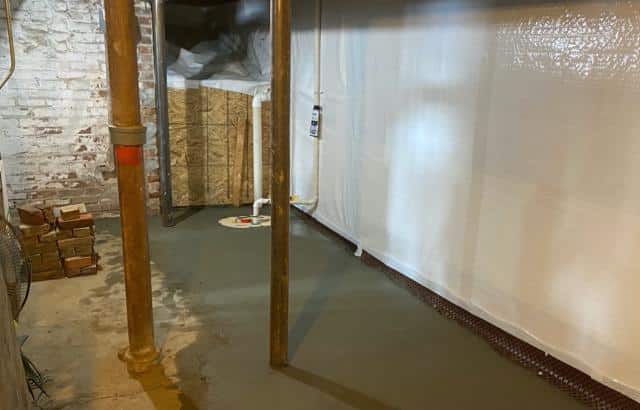
You’re living in a high water table area, and you’re noticing signs of basement dampness – a common issue, yet one that shouldn’t be overlooked. Waterproofing your basement can prevent potential damage and safeguard your home’s structural integrity. But what methods are most effective? French drains or sump pumps? Interior or exterior waterproofing? And how often should these systems be inspected for optimal performance? It’s time to explore these questions and find out how to keep your basement dry and your home protected.
Key Takeaways
- High water table areas require specialized waterproofing solutions like interior drainage systems to prevent basement flooding.
- French drains and sump pumps are effective in diverting water and maintaining dryness in basements located in high water table zones.
- Professional installation of these systems is necessary for optimal water management and prevention of structural damage.
- Regular inspections and maintenance of drainage systems are critical to ensure their effectiveness in high water table areas.
- For complete protection, exterior waterproofing methods such as waterproof coatings and membranes can be employed, despite their higher cost.
Understanding Water Table Basics
Ever wondered why your basement gets wet? This could be due to water table dynamics and groundwater flow.
The water table is the upper surface of the zone of saturation, where water fills all the pores in the ground. Its level can change, rising during wet seasons and dropping during dry periods. The dynamics of the water table are influenced by various factors such as the type of soil, the topography of the land, and the amount of rainfall.
Groundwater flow, on the other hand, is the movement of water through the ground. It’s influenced by gravity, moving from areas of high pressure (higher elevations or areas of recharge) to areas of low pressure (lower elevations or areas of discharge).
The water can potentially seep through the ground and into your basement, especially if your home is built in an area with a high water table or if the basement is below the water table level.
Understanding these basics can help you better manage your basement’s moisture levels and avoid potential water-related problems.
Always remember, it’s not about the water that you see, but the water you don’t.
Causes of Basement Flooding
Now that you’ve gained an understanding of water table dynamics and groundwater flow, it’s important to look at specific causes of basement flooding. The primary causes can be boiled down to three main categories:
- Poor Drainage Systems: Improperly installed or maintained drainage systems can fail to divert water away from your home, leading to flooding. This includes gutters, downspouts, and the grading around your home’s foundation.
- Plumbing Failures: Leaks or bursts in your home’s plumbing can lead to significant water accumulation in your basement.
- High Water Table: In areas with a high water table, the groundwater level can rise above the basement floor, causing flooding.
Effective flood prevention involves addressing these issues. You should check your drainage systems regularly for blockages or damage.
If you’re in a high water table area, you may need specialized solutions to keep your basement dry. Plumbing should be inspected and maintained to prevent leaks and bursts.
The Importance of Basement Waterproofing
Why should you consider waterproofing your basement? Well, high water tables can cause serious issues such as water damage and increased basement humidity. Proper waterproofing is crucial to prevent these problems and maintain the structural integrity of your home.
Water damage can lead to extensive repairs and associated costs. It can weaken your home’s foundation, cause wood rot, and promote the growth of dangerous moulds. Plus, a damp basement can be a breeding ground for pests. You don’t want to deal with these headaches, do you?
Basement humidity is another concern. It’s not just uncomfortable; it can lead to health issues. High humidity encourages mould and mildew growth, which can cause allergies and respiratory problems. It can also damage your belongings stored in the basement, from your precious family heirlooms to your expensive electronic equipment.
In essence, waterproofing your basement isn’t an optional home improvement project—it’s a necessary one. It’s about protecting your home, your health, and your investments.
Popular Waterproofing Techniques
Having established the importance of basement waterproofing, let’s move on to discuss the various methods available. You’ll find that there are several effective ways to protect your basement from high water tables. Here, we’ll focus on two popular techniques: interior drainage and exterior barriers.
Interior drainage is a vital solution for managing water that has already infiltrated your basement. This system works by collecting the water and redirecting it away from your home, thereby keeping your basement dry. It includes:
- French drains: These are trenches filled with gravel or rock containing a perforated pipe to redirect surface water away from your house.
- Sump pumps: These are installed in your basement to pump out water that collects in a sump basin.
- Interior wall and floor sealers: These are used to seal cracks and openings in your walls and floors to prevent water seepage.
Exterior barriers, on the other hand, are preventive measures taken to keep water from entering your basement. They may include exterior drainage systems and waterproof coatings or membranes applied to the exterior walls of your basement.
These barriers are typically more labor-intensive and costly than interior solutions, but they provide an extra layer of protection against water infiltration.
Choosing the Right Waterproofing Method
Choosing the right waterproofing method for your basement can be a daunting task.
You’ve got to consider your building’s unique features, local climate, soil type, and the high water table in your area.
Interior drainage systems are often your best bet for high water table areas. They’re installed beneath your basement floor, redirecting water that seeps in.
It’s a popular choice due to its effectiveness and the fact that it doesn’t disrupt the exterior landscape. However, it’s not a DIY project. You’ll need a professional to ensure proper installation.
Exterior barriers, on the other hand, prevent water from entering the basement walls in the first place.
This method involves excavating around the house to install a waterproof membrane. It’s a more labor-intensive process and can be expensive, but it’s highly effective if done correctly.
Maintaining Your Waterproofed Basement
After selecting and implementing the right waterproofing method for your basement, it’s not time to sit back and relax just yet. Your job doesn’t finish here.
Maintenance is a crucial part of keeping your basement dry and damage-free. Your drainage systems play a significant role in the overall effectiveness of your basement waterproofing. Ensure these systems remain clean and obstruction-free.
Regularly inspect them for any signs of damage or wear and tear, promptly repairing any issues found.
Humidity control is another major aspect of maintaining a waterproofed basement. High humidity levels can lead to condensation, creating an environment conducive to mold growth. Invest in a good dehumidifier to keep the humidity levels in check.
Consider these maintenance tips:
- Regularly inspect your drainage system for clogs or damage
- Keep a check on the humidity levels and use a dehumidifier if necessary
- Schedule periodic professional inspections to catch any potential problems early
Frequently Asked Questions
What Are the Average Costs of Basement Waterproofing in High Water Table Areas?
When considering the expenditure of basement waterproofing, various cost factors come into play.
You’ll find prices fluctuate based on regional differences and the nature of the water issue itself. On average, you’re looking at spending between $3,000 and $10,000.
However, if you’re dealing with a high water table, the costs may rise significantly due to the need for more specialized, robust waterproofing methods.
It’s crucial to get a detailed quote to understand your specific costs.
Does My Homeowners Insurance Typically Cover Basement Waterproofing?
Typically, your homeowners insurance won’t cover basement waterproofing.
Most insurance policies view this as a preventative measure, not a repair, hence they don’t include it in coverage options.
It’s always a good idea to check your specific policy or have a chat with your insurance provider to get a clear understanding of what’s covered and what’s not.
Are There Any Eco-Friendly Waterproofing Methods Available?
Yes, there are eco-friendly methods available for waterproofing.
You can utilize green materials like a sodium bentonite clay system, which naturally absorbs water. It’s a sustainable choice as it doesn’t erode or decay over time.
Another option is to create natural barriers with plants that can absorb excess water, like willows or poplars. They’re not only environmentally friendly, but they also add aesthetic value to your property.
Always remember to consult with a professional for best results.
How Long Does the Waterproofing Process Usually Take?
The duration of your waterproofing project depends on the techniques used and the size of your basement.
Simple interior sealants can be done in a day or two, but more extensive methods like exterior waterproofing or installation of drainage systems can take a week or more.
You’ll need to factor in additional time for any necessary repairs.
It’s crucial to get a detailed estimate from your contractor to understand your project’s timeline.
You can certainly attempt DIY techniques for basement waterproofing.
However, dealing with a high water table can be tricky. It’s not just about sealing walls, but also managing the water pressure. Incorrectly done, it could lead to structural damage.
Professional services are experienced in handling such situations. They’ll assess your property, recommend the best solution, and ensure proper installation.
Conclusion
So, you’ve learned the ins and outs of basement waterproofing in high water table areas. Remember, it’s not just about installing systems like interior drains or sump pumps, but also about regular maintenance. Don’t overlook exterior solutions like waterproof membranes. Choose the right method for your home. It’s a technical process, but with the right knowledge and professional help, you can protect your home from the potential damage caused by basement flooding.