
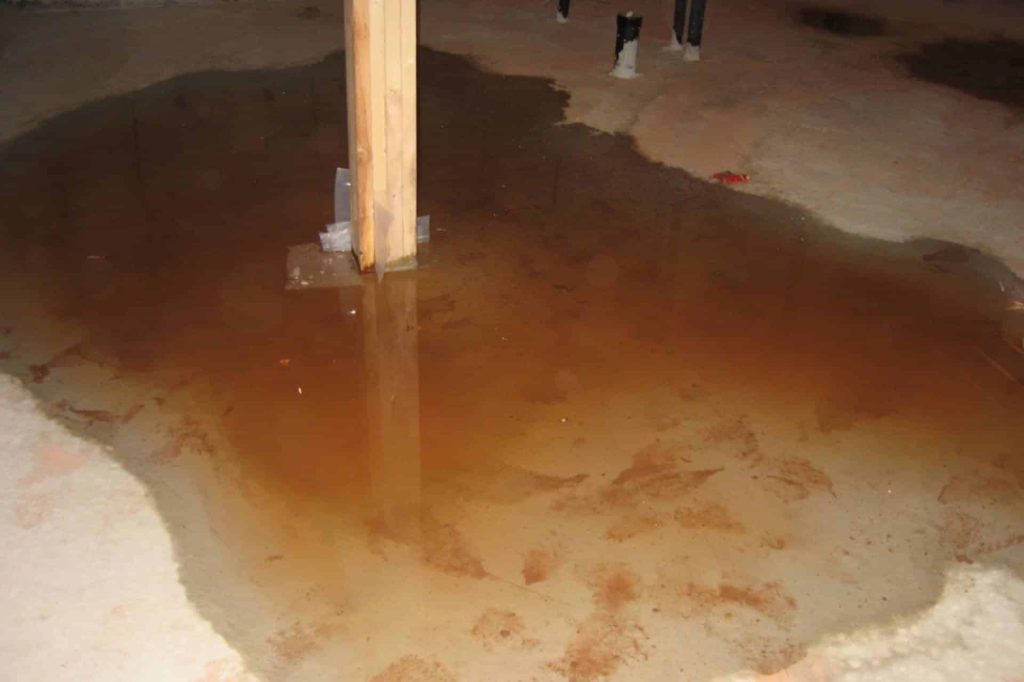
You’ve noticed damp spots on your basement floor and you’re wondering, could these be signs of deeper issues? It’s possible. These spots could be screaming for your attention, hinting at underlying problems like leaks, poor ventilation, or even structural damage. You can’t afford to ignore them, can you? After all, unchecked moisture can lead to mold growth and foundation deterioration. So, what’s the next step? If you’re concerned about the potential hazards and what they mean for your home’s overall health, let’s explore this further.
Key Takeaways
- Damp spots on basement floors can indicate serious moisture problems, potentially affecting the building’s structural integrity.
- Persistent dampness may signal major issues, such as water infiltration eroding concrete and leading to cracks.
- Discoloration or stains on the basement floor may suggest serious water leakage or infiltration.
- Mold growth, commonly associated with damp spots, can indicate severe moisture issues, degrading air quality.
- Musty odors, often accompanying damp spots, can signify the presence of mold or mildew, indicating serious moisture problems.
Understanding Basement Damp Spots
Almost every homeowner has faced the issue of damp spots on their basement floors at one point or another. It’s a common problem, but understanding what’s happening isn’t always straightforward.
You see, your basement is fundamentally a large hole in the ground, and nature abhors a vacuum. Moisture sources around your house are naturally drawn to this space.
Just because you can’t see water doesn’t mean it’s not there. Moisture can be present in the form of humidity or condensation. It can seep through concrete, rise from the ground, or trickle in from external sources.
Identifying the source of the dampness is key to treating it effectively. This is where water testing comes in. By testing the air and surfaces in your basement, you can determine the level of moisture present.
It’s a simple process, but it can provide crucial insights into the problem. Remember, knowledge is power. Understanding where your damp spots are coming from will help you solve the problem in the most efficient manner.
Don’t ignore those damp spots. Investigate, understand, and act.
Common Causes of Damp Spots
You might be wondering what’s causing those pesky damp spots on your basement floor.
Let’s begin by considering the implications of plumbing leaks, a common culprit.
Then, we’ll move to issues of condensation and humidity, which can also be significant contributors.
Plumbing Leak Implications
Many homeowners find damp spots on their basement floors, indicating a potential plumbing leak. This isn’t something you should ignore. Such leaks can cause extensive damage if left unattended, and that’s why immediate action is necessary.
Start with a thorough pipe inspection. It’s a fundamental step in leak detection. You mightn’t be able to see the leak, but damp spots are often a telltale sign. Even the smallest leak can create a damp spot over time. If you’re not comfortable doing this yourself, don’t hesitate to call in a professional. They’ve the tools and expertise to find and fix the problem.
But remember, not every damp spot is due to a leaky pipe. Other factors might be at play, which we’ll explore in future topics. For now, focus on plumbing leaks.
Don’t underestimate damp spots on your basement floor. They’re often a sign of a deeper issue that requires your attention.
Act fast, inspect those pipes, and detect any potential leaks before they escalate into a more severe problem. Your home’s integrity depends on it.
Condensation and Humidity Issues
Unseen culprits behind damp spots on your basement floor could be condensation and humidity issues. This happens when warm, humid air encounters a cool basement floor or wall; it cools and releases moisture, causing condensation. The effects of condensation can be quite damaging. Over time, it can lead to damp spots, mold, and even structural damage.
It’s essential to maintain proper humidity control to avoid these issues. The ideal humidity level for your basement is around 30-50%. If it’s higher, it’s time to contemplate a dehumidifier. This device can help reduce moisture levels, preventing condensation and its damaging effects.
But, remember, humidity control isn’t just about machinery. It’s also about proper ventilation. If your basement is poorly ventilated, it can trap humid air, creating a perfect environment for condensation. Make sure your basement has good airflow, perhaps by using fans or installing vents.
Lastly, reflect on insulation. Well-insulated walls can prevent the cool surfaces that cause condensation.
Possible Structural Damage Risks
Surprisingly, a small damp spot on your basement floor could signal significant structural damage risks.
It’s not just about the nuisance of a damp or musty basement. Your foundation integrity could be at stake here.
When water seeps into your basement, it doesn’t just stay on the surface. It works its way into the concrete, gradually eroding its strength.
This can lead to cracks in the foundation, which could develop into major structural issues over time. That’s why effective moisture control techniques are essential in any basement.
But don’t panic just yet. Not all damp spots are a cause for alarm.
However, if they’re persistent, growing, or accompanied by other warning signs like cracks or a musty odor, then it’s time to investigate further.
Identifying Serious Moisture Problems
You might be wondering how to identify serious moisture problems in your basement. It’s not as overwhelming as it seems. Let’s break it down.
First, you’ll want to look for visible signs of mold growth. Mold can, unfortunately, thrive in damp, dark conditions. It’s often green, black, or even white, presenting itself as spots or patches on your walls, floors, or ceiling.
Mold isn’t just unsightly; it can also negatively impact your air quality, potentially causing health issues.
Next, pay attention to the smell. If your basement has a musty, damp odor persisting over time, it’s a clear sign of a moisture problem. This smell is often due to mold and mildew growth, which again, impacts your air quality.
Lastly, look for spots of discoloration on your basement walls or floors. These spots can be a clear indication of water seeping in, suggesting more serious issues like leaks or cracks in your foundation.
Don’t ignore these signs. They’re your first indicators of a deeper moisture issue. Addressing these signs early can save you a headache later on.
DIY Solutions for Damp Basements
Tackling dampness in your basement might seem challenging, but there are several DIY solutions you can employ.
Let’s explore some practical insulation techniques and drainage solutions that you can apply to resolve dampness issues.
First off, consider installing a vapor barrier. This can prevent moisture from seeping through walls and floors. Select a quality product and make certain it’s properly installed to cover all areas.
Insulating your basement walls can also help control condensation. There are different types of insulation available, so it’s vital to choose the one that suits your basement’s needs the best.
Next, let’s talk about drainage solutions. You might find it effective to install a sump pump to remove water that’s accumulated in your basement. It’s a common solution that’s quite effective when done right.
Furthermore, improving the gradient of your yard can help redirect water away from your basement. This might involve some landscaping work, but it’s a worthwhile measure to keep your basement dry.
When to Call a Professional
Despite your best DIY efforts, there are times when damp basement problems require professional intervention. You may be able to handle minor dampness, but persistent moisture issues are a different beast and demand a professional assessment.
Be aware of the signs. If you’re constantly battling damp spots even after implementing DIY solutions, or if you notice a musty smell that won’t go away, it’s time to call a professional. This is particularly important if the dampness is widespread, affecting large areas of your basement floor. These could be indications of serious underlying issues such as leaking pipes or a compromised foundation.
Experts in the field use specialized tools for moisture detection, helping pinpoint the exact source of the problem. They’re trained to identify and solve complex moisture problems that can lead to serious structural damage if left untreated.
They’ll provide an in-depth assessment, finding the root cause of the dampness and offering a detailed solution.
Preventing Future Basement Dampness
Three simple steps can considerably reduce the risk of basement dampness in the future.
First, improve basement ventilation. This helps to reduce the amount of moisture in the air. You can achieve this by installing vents or using a dehumidifier. Circulating air prevents the build-up of damp conditions that invite mold and mildew.
Next, apply moisture barriers. These are materials designed to prevent water from seeping into your basement. They can be installed during construction, or added later by professionals. Barriers can be placed on the exterior of your home’s foundation, or on the interior of your basement walls.
Lastly, maintain a regular inspection schedule. Don’t wait for a damp basement to become a problem; instead, be proactive. Regular checks can help prevent moisture issues before they escalate.
Frequently Asked Questions
How Do Damp Spots Affect the Value of My Home?
Damp spots can lower your home’s value.
During a home appraisal or property inspection, they’re seen as signs of potential water damage or structural issues.
It’s not just about unsightly spots; it’s what they could indicate.
Water seepage can weaken your home’s foundation, causing serious problems down the line.
Consequently, it’s best to address these issues promptly, before they affect your property’s worth.
Can Basement Damp Spots Cause Health Issues?
Yes, damp spots in your basement can indeed lead to health issues.
Persistent dampness creates an ideal environment for mold growth, which can greatly degrade air quality. Breathing in mold spores can trigger allergies, cause respiratory problems, and even lead to more serious health complications.
It’s essential to address these damp spots promptly to prevent any potential health risks.
Do Insurance Companies Cover Repairs for Damp Basement Spots?
Yes, some insurance companies might cover repairs for damp basement spots.
It’s essential you check your insurance policy’s specifics. Coverage varies widely, so you’ll need to understand the terms and coverage limits.
Not all policies cover water damage, especially if it’s due to negligence or ongoing issues. It’s possible you’ll have to arrange and pay for repairs yourself.
Always review your policy and consult with your insurance provider for clarity.
Are There Specific Building Materials That Resist Basement Dampness?
Yes, there are specific building materials that resist basement dampness.
You’d want to contemplate water-resistant materials like treated concrete or vinyl tiles.
Additionally, installing moisture barriers beneath your flooring can also help keep dampness at bay.
These barriers are specially designed to prevent moisture from seeping up from the ground into your basement.
It’s important to choose the right materials to prevent future dampness issues.
What Is the Average Cost of Professional Basement Damp Spot Treatment?
You’re probably wondering about the cost of professional basement damp spot treatment.
On average, you’re looking at $1,000 to $4,000. This cost includes damp spot diagnosis and several treatment options.
It’s a wide range because it depends on the severity of the dampness and the chosen treatment method.
However, keep in mind that it’s important to address these issues immediately to prevent further damage.
Conclusion
So, you’ve learned that damp spots on your basement floor can be a sign of deeper issues, like structural damage or water infiltration. Don’t ignore these signs. With the right steps, you can address these issues before they escalate. Remember, it’s better to call in a professional if you’re uncertain. Regular inspections and preventive measures can keep your basement dry, ensuring your home stays safe and sound. Don’t let a little dampness cause big problems!

Rob VanSuilichem
Serving Michigan homeowners for over 32 years, Everdry is one of the Nation’s largest and most experienced waterproofer.
Locally owned, operated and staffed, Everdry professionals take a personal one-on-one approach in educating homeowners so they truly understand all their options for creating a safe, dry, healthy and usable space in their basements.
What Sets Us Apart
- Unbeatable quality due to the experience of the owners and staff.
- Unbeatable value due to the efficiency and expertise of more than 32 years of experience.
- Unbeatable value due to the purchasing power of being one of the largest waterproofers in the nation.
- Unbeatable service due to the fact that EverDry is a locally owned and operated company.
Credentials Include:
- Members of the Home Builders Association
- H.U.D. evaluated
- I.C.C. evaluated (Report #94-07)
- Better Business Bureau Accredited with the Eastern and Western Michigan BBB
- Fully Licensed and Insured
The aforementioned memberships are important because we benefit from the constant exchange of information and knowledge. We are updated on everything from installation techniques, to customer service improvements. You benefit in the knowledge that these third party inspection agencies require us to meet stringent requirements to remain members in good standing.
Better Business Bureau
We have been nominated and won the prestigious Better Business Bureau’s Torch Award for Ethics many times, Chosen as a W.Mich.BBB Torch finalist in 2014 & 2015, Won the Torch Award for Ethics in 2016, Won the Eastern Michigan BBB Torch Award in 2019 and was also chosen as a Western Michigan BBB Torch finalist in 2019. Won the Eastern Michigan BBB Torch Award in 2023 and Finalist for the Western Michigan BBB Torch Award in 2020 & 2021!
Mission Statement
To create raving fans of our customers and employees through frequent contact, constant training, a commitment to excellence and unlimited opportunity.
