
You’re about to hire a contractor for your next big project, but how do you guarantee you’re making the right choice? It’s all about asking the right questions before signing on the dotted line. In the following discussion, we’ll explore 20 essential queries you should pose to potential contractors, from their qualifications and experience through to project management and payment terms. This thorough guide will equip you with the knowledge to make an informed decision, guaranteeing your project runs smoothly and culminates in a successful result.
Key Takeaways
- Inquire about the contractor’s experience, including years in business and types of projects previously handled.
- Verify the contractor’s licensing and insurance status to ensure professionalism and coverage for potential damages.
- Discuss project timelines, deadlines, and methods of progress updates to effectively manage and track the project.
- Understand payment terms, cost estimates, and potential additional costs for transparency and efficient budget planning.
- Explore the contractor’s problem-solving approach, clean-up procedures, and warranty details for a smooth project execution and post-completion assurance.
Understanding Contractor’s Experience
When it comes to hiring a contractor, getting a sense of their experience is essential. You don’t want to hand over your project to someone who’s just winging it.
So, how do you do that? By digging into their contractor credentials and understanding their project specialization, of course.
Start by asking about their experience. How many years have they been in the business? What kind of projects do they usually handle? Do they’ve a particular area of expertise? You’ll be surprised at how much you can learn from these simple questions.
Next, explore their project specialization. If you’re planning a bathroom remodel, for example, you’ll want a contractor who’s done plenty of those.
Don’t be shy about asking for examples of their work in that area. They should be more than willing to share.
Finally, scrutinize their contractor credentials. Are they certified? What kind of training have they undergone?
These are vital details that can make or break their suitability for your project.
Verifying License and Insurance
Nearly every reputable contractor will be licensed and insured – and it’s your job to verify this. Don’t just take their word for it, ask for proof. It’s an important part of understanding contractor qualifications.
A valid license shows that the contractor has met the requirements set by the state or local authorities. It’s a sign of professionalism and commitment to their craft. Ask for the license number and check it against the state’s licensing board to confirm its validity.
Don’t hesitate to reach out to the issuing authority if you’re unsure how to verify the license.
Insurance verification is equally vital. Should anything go wrong during the project, you want to be sure you’re not left holding the bag. Ask to see a copy of their insurance policy.
Make sure it’s current and provides adequate coverage for potential damages or injuries.
Inquiring About Project Timeline
Now that you’ve confirmed your contractor’s credentials, it’s time to talk timelines.
Asking about realistic deadlines and how unexpected delays are managed is critical. These questions will help you understand how your project fits into their schedule and what to expect if things don’t go as planned.
Establishing Realistic Deadlines
Project timelines can be a make-or-break factor in your construction endeavor. Establishing realistic expectations from the get-go is vital. It’s not just about setting a completion date, but understanding the various stages involved in the project.
Effective communication with your contractor is key. Don’t shy away from asking questions about the timeline. Confirm they’re not just giving you a date to close the deal, but are genuinely considering all factors. You want to avoid a situation where they’re rushing to finish, compromising quality in the process.
Here are some questions you can ask:
| Question | Purpose |
|---|---|
| Can you walk me through the project timeline? | Understand stages and progression |
| How much buffer time is included? | Gauge flexibility |
| What could potentially delay the project? | Anticipate issues |
| How will changes in the project scope affect the timeline? | Manage expectations |
| How will I be updated on progress? | Confirm communication |
Your contractor’s answers will give you a sense of their honesty, professionalism, and commitment. Remember, the goal isn’t just to finish fast—it’s to finish right.
Unexpected Delays Management
Delays are an inevitable part of any construction project. Despite meticulous planning, unexpected issues can arise. That’s why it’s essential to ask your contractor about their management strategies for unexpected delays.
Their answer will give you some insight into their communication strategies and contingency plans. Are they proactive in their approach, or do they wait for issues to arise before they act?
Here are some specific questions you can ask:
- How do you communicate delays to your clients?
- What contingency plans do you have in place for unexpected delays?
- How do you guarantee the project gets back on track after a delay?
These questions will help you understand their approach to tackling unexpected issues and how they plan to keep you in the loop.
Remember, a good contractor isn’t just about getting the job done; it’s about how they manage issues along the way. So don’t be shy about asking these questions. It’s your project, and you have every right to know how potential problems will be handled.
In the end, clear communication and well-executed plans can make all the difference in successful project completion.
Discussing Payment Terms
When it comes to discussing payment terms with your contractor, it’s vital to be clear and concise. You need to understand the payment schedule, which specifies when payments should be made.
Discuss the payment methods, whether it’s check, credit card, or direct bank transfer. Upfront fees are important to understand as well. These could be a percentage of the total cost or a fixed amount.
Also, clarify when final payments should be made. Is it upon project completion or after a specific period post-completion? Milestone payments refer to payments made at different project stages. It’s important to set these milestones at the start to manage your cash flow better.
Ask your contractor if there are any payment penalties, such as late payment fees. Insist on invoice clarity to avoid payment disputes later. Each invoice should clearly detail the work done, materials used, and their respective costs.
This will help you track budget adherence and identify any discrepancies early.
Contractor’s Approach to Problems
Unforeseen hurdles are part and parcel of any renovation or construction project. You want to guarantee your contractor’s approach to problems is both effective and efficient. You should be looking for their problem solving techniques, communication style, and decision making process.
How your contractor handles conflict resolution is vital. It’s essential that they can adapt on the fly, and have adaptability strategies that have proven successful in the past. Their innovation approach can also be an indicator of their ability to solve issues that arise.
Risk management is another key factor to take into account. Does your contractor have flexibility methods that allow them to adjust plans as necessary? How do they handle resource allocation in the event of an unexpected issue?
Lastly, think about your contractor’s approach to customer feedback. This can give you insight into how they handle problems from the client’s perspective.
Here are a few questions to ask about their problem-solving approach:
- What problem solving techniques do you use in your projects?
- How do you handle conflict resolution and adapt to unexpected issues?
- How do you incorporate customer feedback into your decision making process?
Checking Contractor’s Past Projects
After understanding a contractor’s approach to problem-solving, you might want to look into their track record.
Don’t shy away from diving into their past project examples. This will give you an idea of the type and quality of work they’ve done before. It’s one thing for a contractor to talk a big game, but seeing their craftsmanship firsthand can add a necessary layer of authenticity and trust.
Take it a step further and seek out client testimonials. These are invaluable insights into the contractor’s ability to deliver on promises.
Did they stay within budget? Was the project completed on time? Was the client satisfied with the end result? These testimonials can help paint a clear picture of what you can expect.
Ensuring Clean-Up and Warranty
Peace of mind is a crucial element when hiring a contractor. You want assurance that the contractor you hire will respect your property and leave it as clean as they found it. Consequently, it’s important to discuss their clean-up procedures before signing any agreement.
A contractor’s clean-up procedure should ideally include:
- Removing all debris and construction materials from your property
- Restoring any areas of your yard or home that were disrupted during the construction
- Conducting a final walk-through with you to confirm your satisfaction
Now, let’s talk about warranty details. You wouldn’t want to be left in the lurch if something goes wrong after the project is completed. A warranty offers you protection and guarantees that the contractor will correct any issues that arise within a specified period.
So, ask about the warranty’s length and what it covers. Do they offer materials and labor warranty, or just one of them?
What’s the process for claiming the warranty? Understanding these details will provide you with an additional layer of security.
Frequently Asked Questions
What Safety Measures Do You Implement on the Job Site?
You’re right to prioritize safety.
We’ve got an extensive set of safety protocols that we follow rigorously. Before starting any job, we conduct thorough hazard assessments to identify potential risks.
We’re committed to maintaining a safe environment for our team and your property. Safety measures include regular equipment checks, proper safety gear, and ongoing training.
We also guarantee communication about safety is clear amongst the team.
Do You Provide Eco-Friendly Construction Options?
Yes, you do provide eco-friendly construction options.
You’re serious about sustainability and use materials that aren’t only durable, but have a low environmental impact.
You’re also dedicated to energy efficiency. From the design phase, you consider how to best utilize natural light and optimize insulation.
You’re proactive in finding new methods and materials that’ll reduce a building’s carbon footprint.
You believe construction can be green without sacrificing quality or aesthetics.
Can You Work With My Architect or Designer?
Absolutely, we can work with your architect or designer.
It’s vital for project collaboration and effective design integration.
We’re used to partnering with various professionals to guarantee the client’s vision is realized.
We’ll communicate regularly, address any issues promptly and make certain the project stays on track.
How Do You Manage Subcontractors?
When you’re dealing with subcontractors, you guarantee they meet all necessary qualifications and certifications.
You coordinate with them closely to maintain project timelines and guarantee quality work. If issues arise, you’re proactive in resolving them.
It’s essential to you that all work is up to standard and completed on time.
You’re not just managing subcontractors, you’re leading a team to create a successful project.
Do You Offer Any Special Services or Discounts?
Yes, you’ll find we offer a number of special service packages tailored to your specific needs.
We believe in rewarding our loyal customers, so we do provide loyalty discounts. The more you work with us, the more you save. It’s our way of saying thanks for trusting us with your projects.
Let’s discuss which services could best fit your project and how our discounts can make it even more cost-effective for you.
Conclusion
So, you’re now equipped to ask the right questions when hiring a contractor. Remember, from verifying their license and insurance to understanding their experience and approach to problems, every detail counts. Don’t forget to discuss project timelines and payment terms for full transparency. And guarantee they can provide a robust clean-up procedure and solid warranty. It’s all about securing a successful project outcome and your peace of mind. Happy hiring!

Rob VanSuilichem
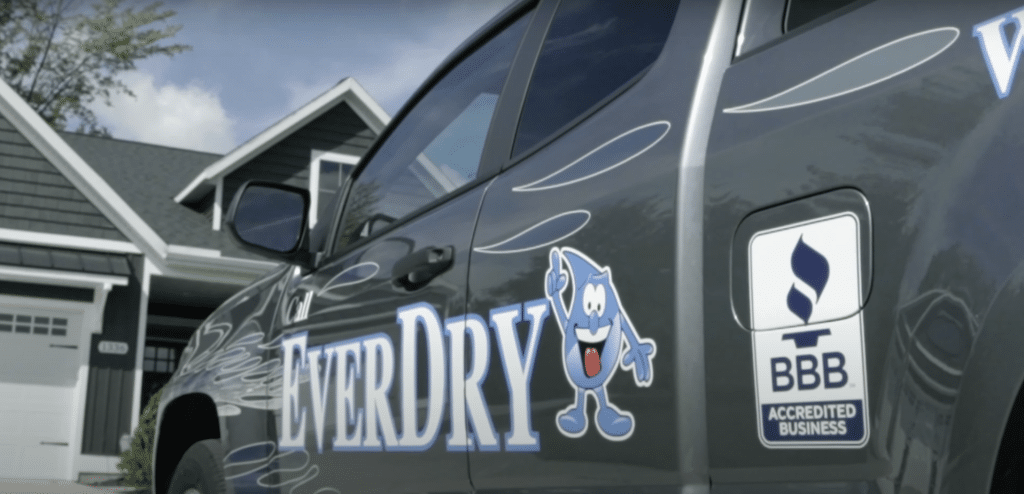
Serving Michigan homeowners for over 32 years, Everdry is one of the Nation’s largest and most experienced waterproofer.
Locally owned, operated and staffed, Everdry professionals take a personal one-on-one approach in educating homeowners so they truly understand all their options for creating a safe, dry, healthy and usable space in their basements.
What Sets Us Apart
- Unbeatable quality due to the experience of the owners and staff.
- Unbeatable value due to the efficiency and expertise of more than 32 years of experience.
- Unbeatable value due to the purchasing power of being one of the largest waterproofers in the nation.
- Unbeatable service due to the fact that EverDry is a locally owned and operated company.
Credentials Include:
- Members of the Home Builders Association
- H.U.D. evaluated
- I.C.C. evaluated (Report #94-07)
- Better Business Bureau Accredited with the Eastern and Western Michigan BBB
- Fully Licensed and Insured
The aforementioned memberships are important because we benefit from the constant exchange of information and knowledge. We are updated on everything from installation techniques, to customer service improvements. You benefit in the knowledge that these third party inspection agencies require us to meet stringent requirements to remain members in good standing.
Better Business Bureau
We have been nominated and won the prestigious Better Business Bureau’s Torch Award for Ethics many times, Chosen as a W.Mich.BBB Torch finalist in 2014 & 2015, Won the Torch Award for Ethics in 2016, Won the Eastern Michigan BBB Torch Award in 2019 and was also chosen as a Western Michigan BBB Torch finalist in 2019. Won the Eastern Michigan BBB Torch Award in 2023 and Finalist for the Western Michigan BBB Torch Award in 2020 & 2021!
Mission Statement
To create raving fans of our customers and employees through frequent contact, constant training, a commitment to excellence and unlimited opportunity.
